
Kyoto: Walking Through the Thousand Torii Gates of Fushimi Inari
A trail of thousands of vermilion torii gates winds up a sacred mountain in southern Kyoto. Here’s your complete guide to Japan’s most photographed shrine, Fushimi Inari Taisha.
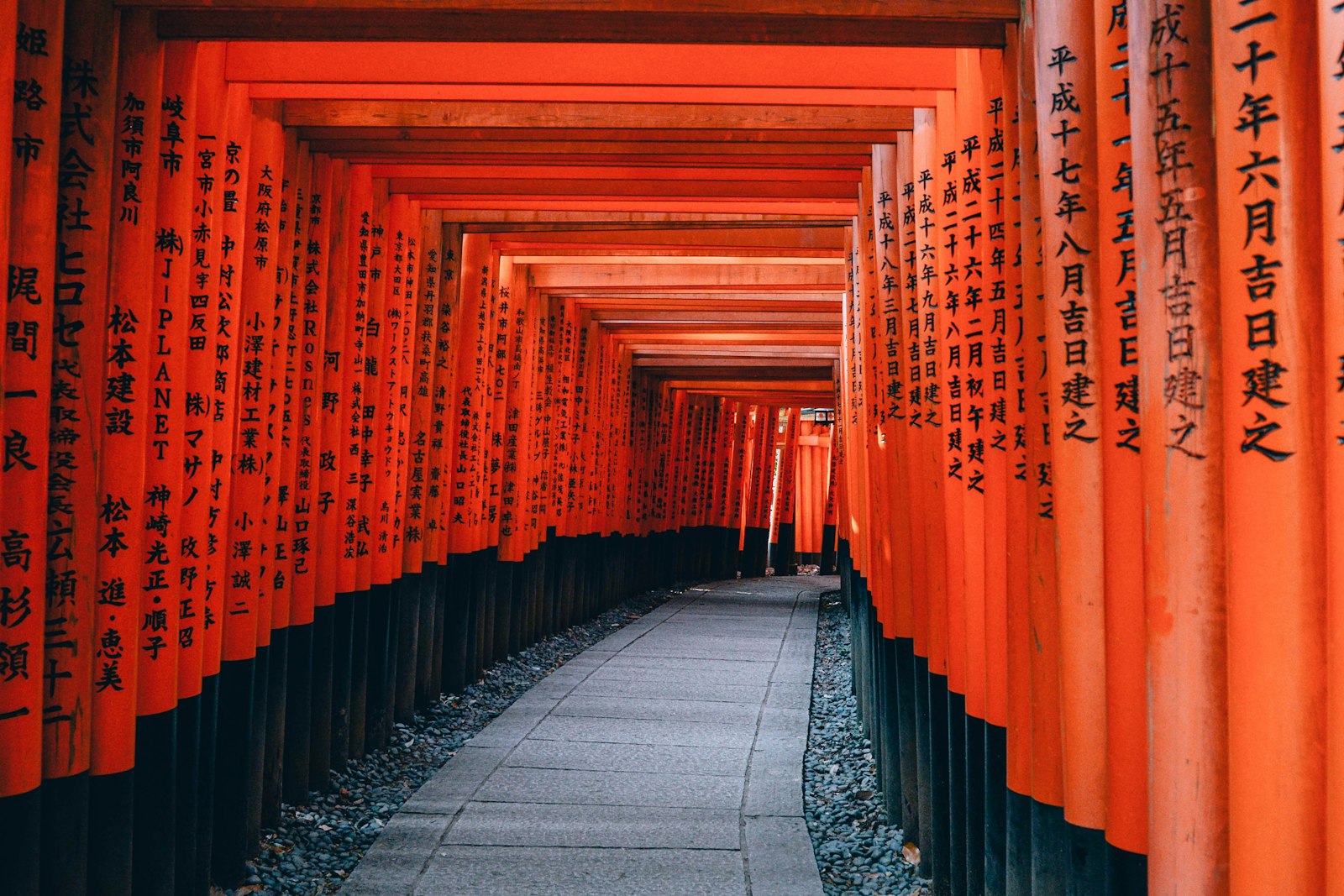
Few images capture the imagination of travelers to Japan quite like the endless tunnel of orange gates at Fushimi Inari Taisha. Founded in 711 CE, this Shinto shrine is dedicated to Inari, the deity of rice, prosperity, and business, and it sits at the base of a wooded mountain in southern Kyoto. Over centuries, individuals and companies seeking good fortune have donated more than 10,000 torii gates, which now form a network of trails climbing to the summit. Unlike many of Kyoto’s shrines, Fushimi Inari is open 24 hours a day and completely free to enter, making it one of the most rewarding stops on any Japan itinerary.
Why Fushimi Inari Is Special
What sets this shrine apart is not a single building but an entire mountain woven with meaning. Each gate was donated by a business or individual, and the name of the donor is painted in black on the back of the gate — a tradition still practiced today. Scattered along the paths are hundreds of stone fox statues, since foxes are considered Inari’s sacred messengers. The full walk to the summit and back takes about two to three hours, but even a short stroll through the lower gates gives you the iconic tunnel experience.
Top Highlights on the Trail
1. The Romon Gate and Main Hall
Start at the shrine’s main entrance, marked by the large Romon Gate, said to have been donated in 1589. Behind it stands the honden (main hall), where most visitors stop to pay respects before beginning the climb.
2. Senbon Torii (“Thousand Gates”)
This is the most famous stretch, where two parallel rows of gates form a continuous tunnel. It’s the most crowded section, so arriving at sunrise or after sunset is the only way to photograph it without a wall of tourists.
3. Yotsutsuji Intersection
About halfway up the mountain, this junction opens onto a viewpoint overlooking the city of Kyoto. Many visitors treat this as the natural turning-back point, since the crowds thin out considerably beyond it.
4. The Summit
For those who continue, the trail winds past smaller sub-shrines, teahouses, and quiet ponds before reaching the top of Mount Inari at 233 meters. It’s far less crowded here, and the sense of walking through a living forest shrine is at its strongest.
Practical Tips for Your Visit
Where is it? Fushimi Inari Taisha is in southern Kyoto, directly across from JR Inari Station.
How to Get There: Take the JR Nara Line two stops from Kyoto Station (about 5 minutes) to Inari Station — the shrine entrance is right outside the exit. Alternatively, the Keihan Main Line stops at Fushimi Inari Station, a short walk away.
Best Time to Visit: Go at dawn (the shrine never closes) to catch the gates in soft light with almost no crowds. If early mornings aren’t possible, aim for weekday evenings after 5 PM, when most tour groups have left.
Opening Hours and Entry: Open 24 hours, every day, completely free — no ticket required.
What to Bring:
- Comfortable walking shoes — the summit hike involves stone steps and uneven ground
- A refillable water bottle, especially in summer humidity
- A flashlight or phone light if visiting before sunrise
- Cash for the small teahouses partway up the mountain
Expert Tip: Most visitors turn back at Yotsutsuji without realizing the upper half of the mountain is quieter and just as atmospheric. If you have the time, push on to the summit — you’ll likely have entire sections of gates completely to yourself.
Summary
Fushimi Inari Taisha rewards exactly as much time as you’re willing to give it. A quick 20-minute walk through the Senbon Torii is enough to understand why this shrine appears on every list of Japan’s must-see sights — but climbing further, past the crowds and into the quieter upper trails, is where the mountain truly reveals itself. Free, open around the clock, and only minutes from central Kyoto, it’s one of the easiest world-class experiences to fit into any itinerary.